









Kapilan Naidu
10 March 2026–31 August 2027
Tanjong Pagar Distripark
Side gate entrance
Public outdoor work. Accessible at all times.
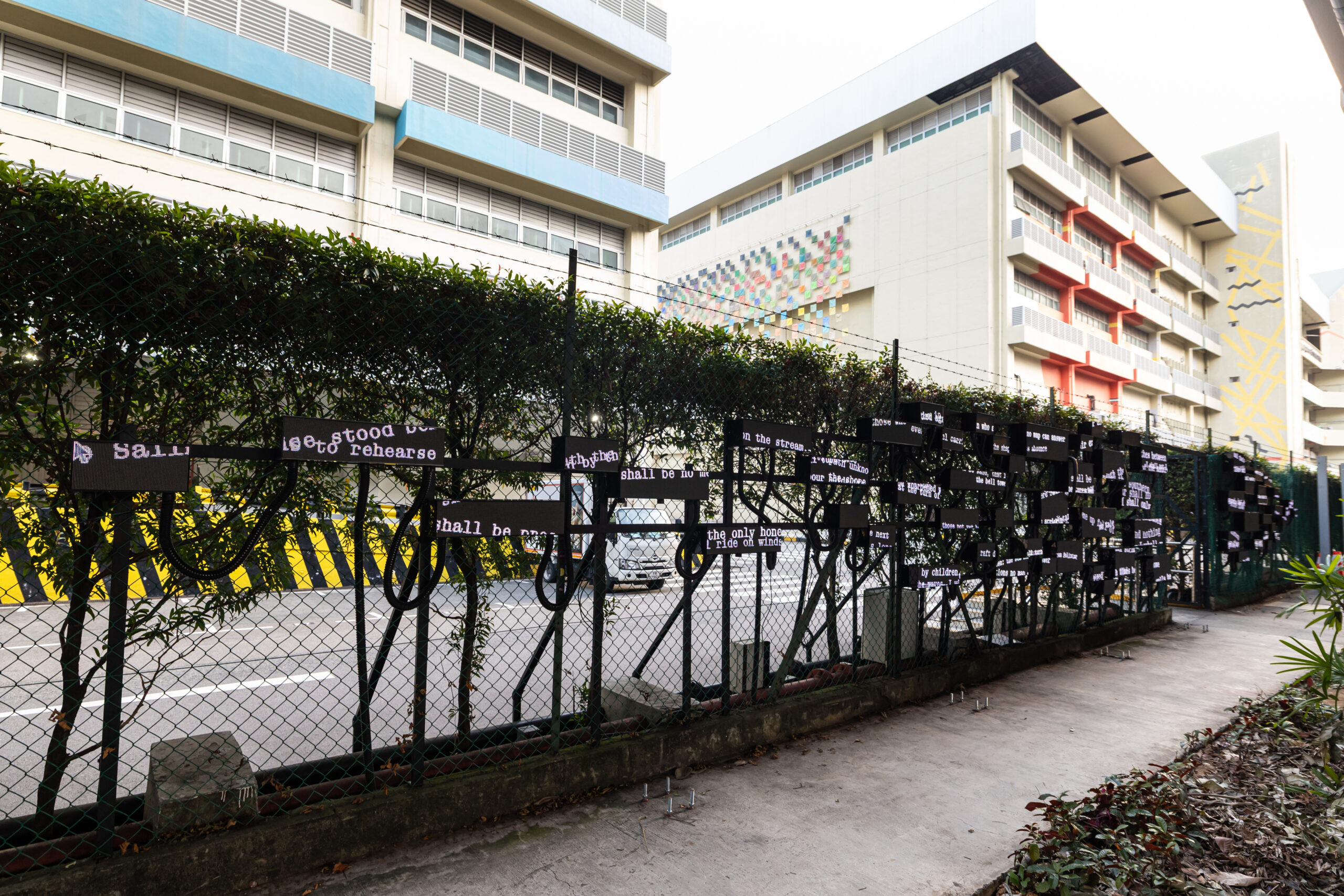
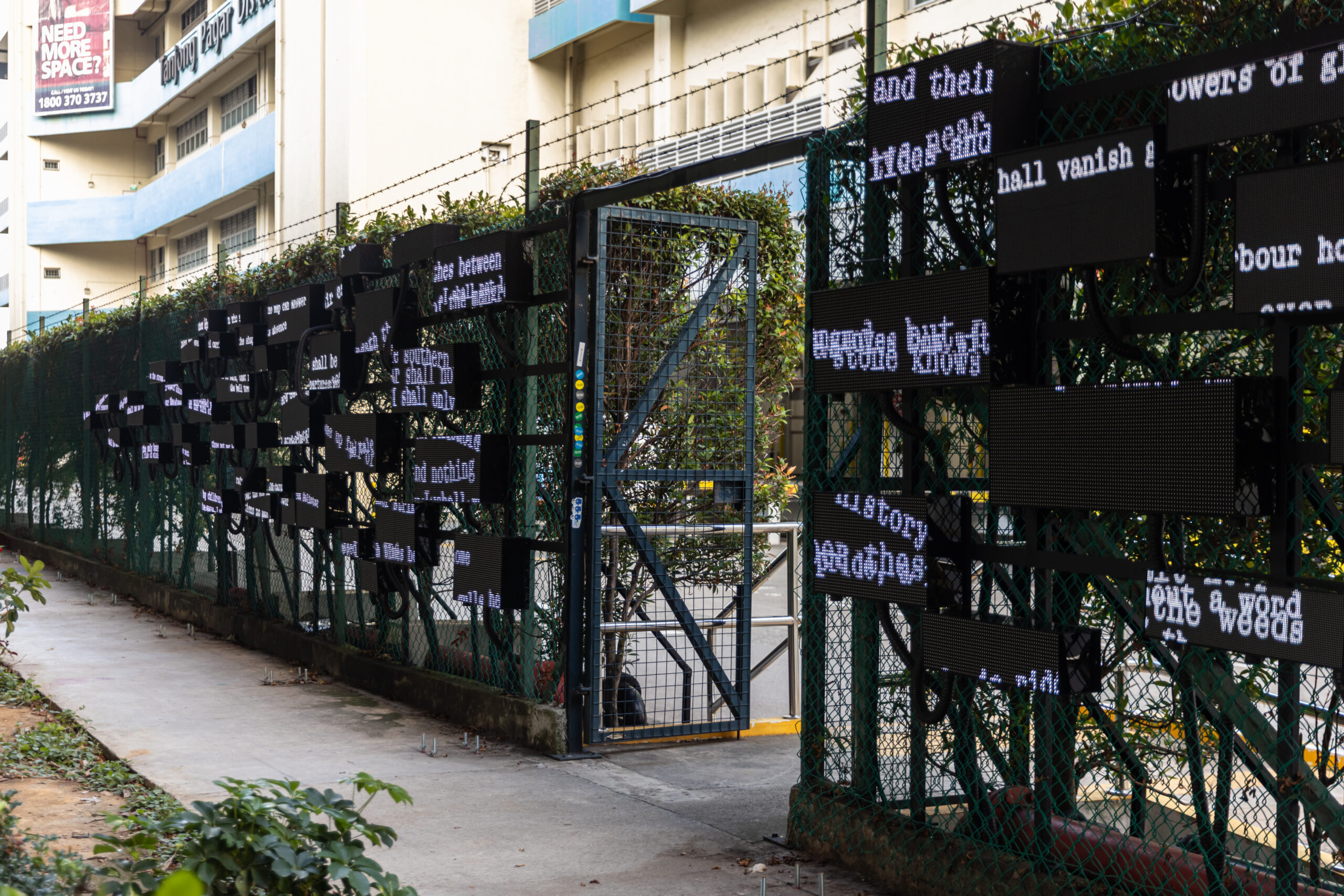
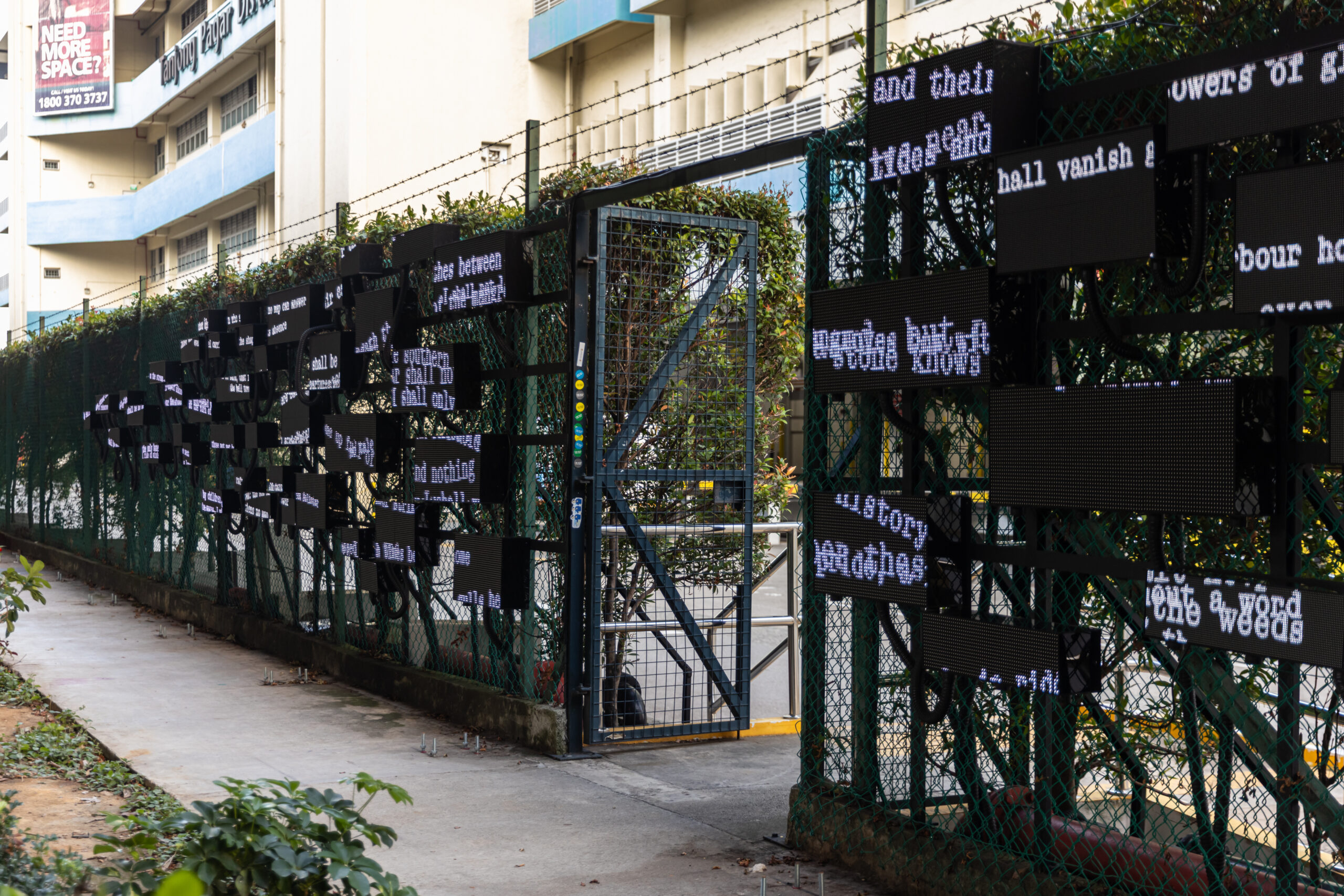
Salintar Dreams of a Tranquil Sea (soliloquy_tpd) explores dreams as both longing and visions of possible futures. Part of the soliloquy series, this site-specific installation uses custom-trained large language models (LLMs) to generate text that shapes its narrative and visual form.
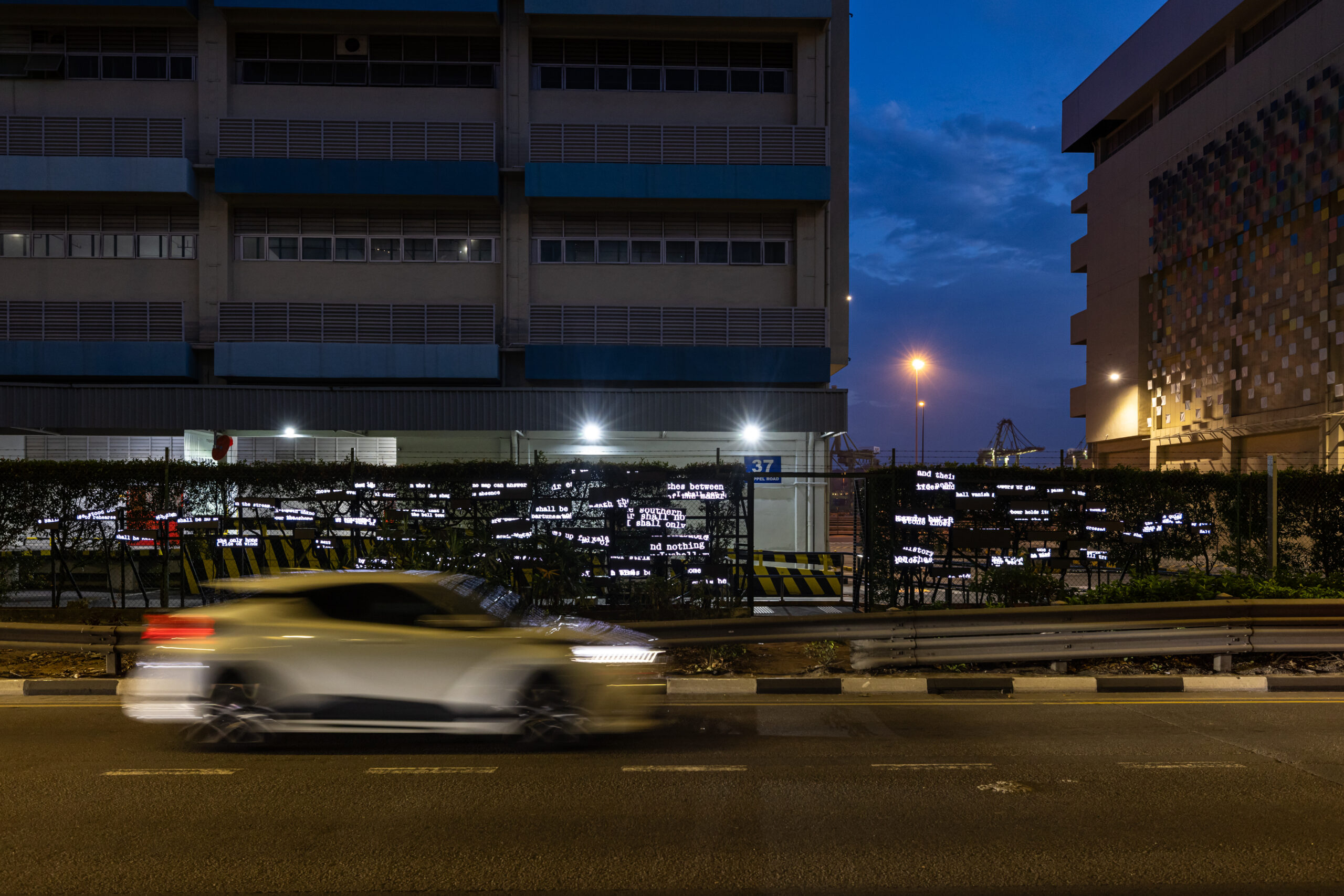
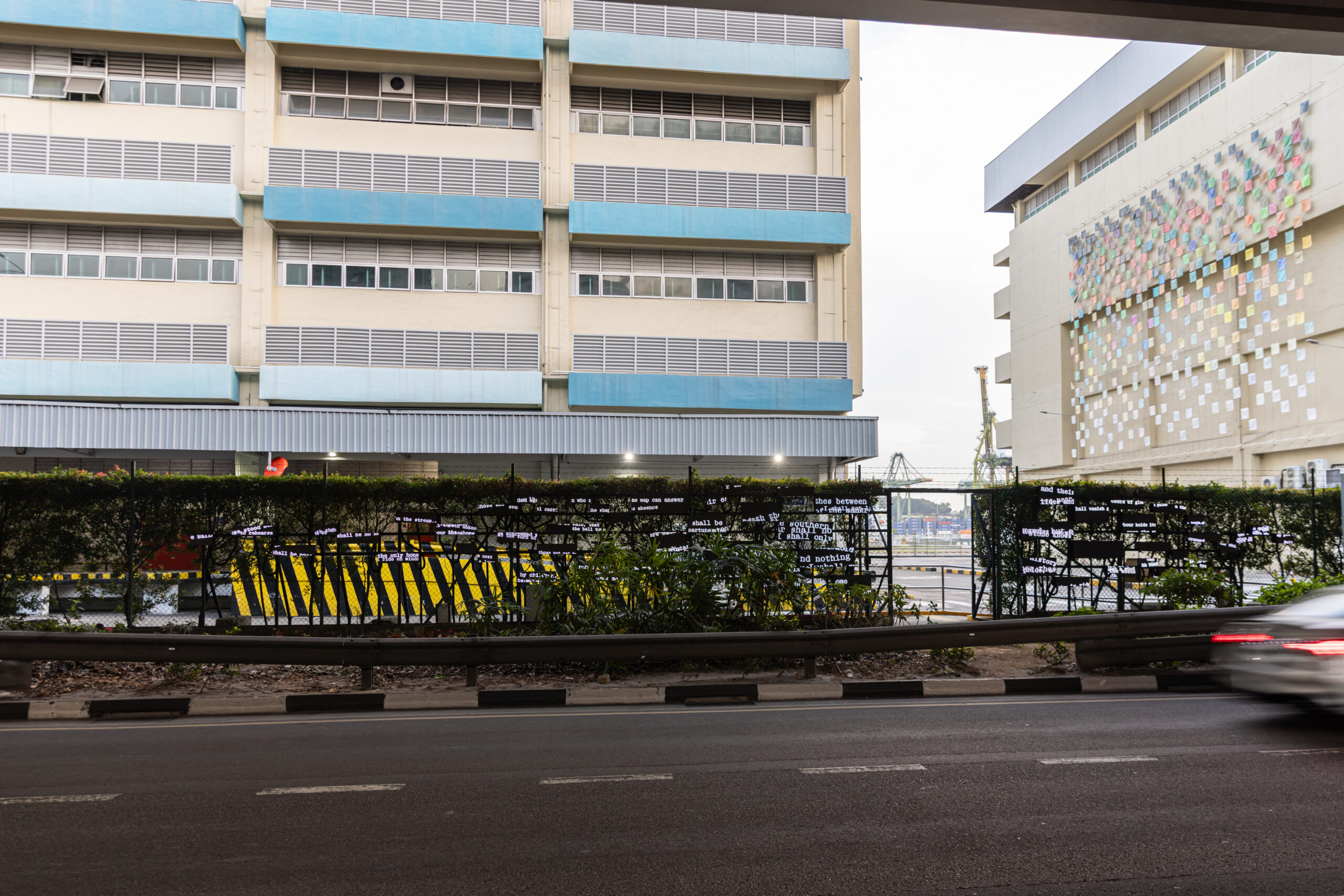
This work personifies the lost fishing village of Salintar as a dreaming entity, drifting between past and present. Drawing from the Sejarah Melayu and early Malay sources, it presents speculative monologues—reveries shaped by hope, where the village imagines itself enduring, thriving, and growing alongside the sea. The installation features fragmented LED matrix strips that display monochromatic, wave-like text. These shifting lines are generated by real-time environmental data such as tidal movements, wind, and passing ships, mirroring the area’s constant state of flux.
From afar, the screens ripple like the sea. Up close, narratives emerge and dissolve as viewers move. Through this interplay of language, history and environment, the artwork reflects on memory, displacement and the unseen human stories that shape the city’s identity.
Supported by

Photos
About the Artist

Kapilan Naidu (b. 1992) is a media artist, designer and technologist exploring digital interactions, mechanisation and the ubiquity of computation in contemporary society. His practice spans generative audio-visual works, mixed-reality experiences, screen-based installations, computer programs and machine learning models, often incorporating (real-time) data and audience interactivity. He is particularly drawn to the emergent qualities of procedural algorithms and the creative partnership between humans and machines, informing his research into transhumanism, techno-accelerationism and autonomous intelligence.
Credits & Acknowledgement
Technical Design and Implementation (LED Display) by Chok Si Xuan
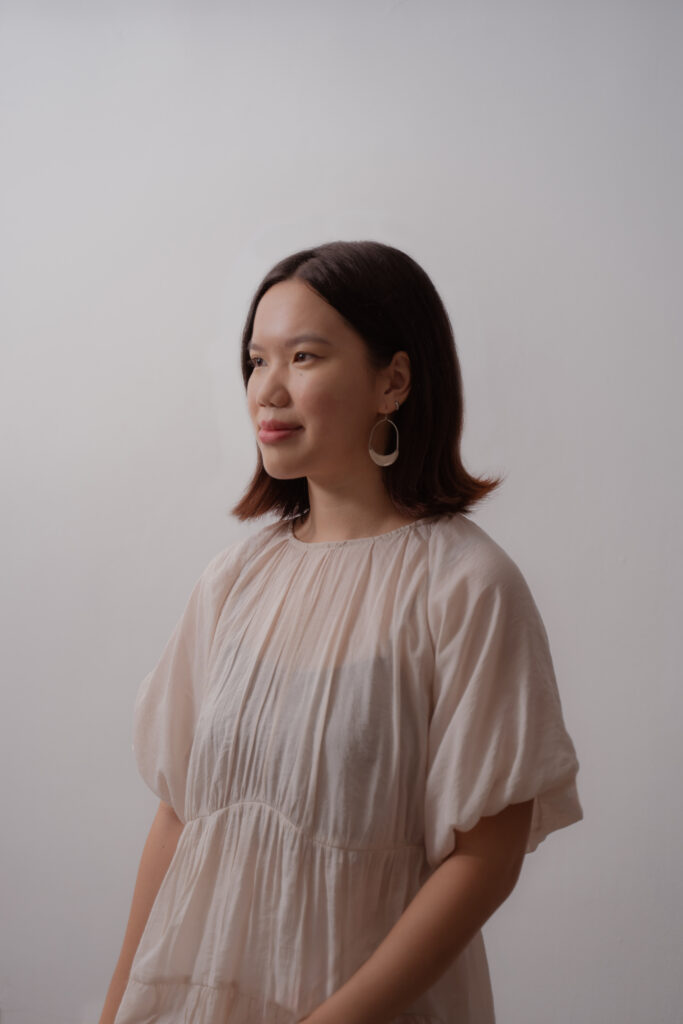
Chok Si Xuan (b. 1998) is an artist that works with installations. Interested in cybernetics, specifically the feedback systems that occur between humans, living organisms and machines. She is curious about how post-human cultures and industrial materials shape the way contemporary society understands itself. Interested in the cybernetics and the feminine, she constructs and readapts systems within installations in hopes of challenging our own subjectivities of our environment, bodies and other organisms, organic or manufactured.